Most roofing problems don’t happen overnight. There are usually months, sometimes years, of warning signs before an actual leak or structural issue shows up. Knowing the real signs you need a roof replacement — versus just a minor repair — saves both money and the stress of an emergency fix during monsoon.
I’ve seen homeowners delay this decision way too long, usually because a full replacement feels like a big expense. Sometimes it is necessary. Often, though, catching it earlier means a repair is enough.
Age of the Roof Matters More Than People Think
Direct answer: Most residential roofs have a functional lifespan of 15-25 years depending on material, and once a roof crosses this age range, even minor issues are more likely signs of broader deterioration rather than isolated problems worth patching individually.
If you don’t know your roof’s age, check with the building’s original documentation or ask neighbors with similar construction timelines — this context matters a lot when deciding between repair and replacement.
Visible Cracks and Water Stains
Cracks in the roof surface, especially ones that widen after monsoon, are a clear signal. Water stains on ceilings — even small, faint ones — indicate moisture is already getting through, which usually gets worse, not better, over time if left unaddressed.
Persistent Leaks After Repeated Repairs
Direct answer: If a roof has needed patch repairs more than two or three times in the same general area within a year or two, this is typically one of the strongest signs you need a roof replacement rather than continued spot repairs, since the underlying waterproofing layer has likely failed broadly.
Repeated patching of the same spot is essentially throwing money at a problem that keeps returning, because the root issue — degraded waterproofing beneath the surface — hasn’t actually been addressed.
Sagging or Uneven Roof Sections
Any visible sagging in the roofline is a serious structural warning sign, not a cosmetic one. This can indicate water damage to underlying support structures and generally requires prompt professional assessment rather than a wait-and-watch approach.
Increased Indoor Temperature and Energy Bills
A deteriorating roof often loses its insulating properties, leading to noticeably hotter indoor temperatures and higher cooling costs. If your electricity bills have crept up without a clear reason and your home feels warmer than it used to, roof condition is worth checking.
Moss, Algae, or Excessive Moss Growth
Direct answer: While some moss growth is cosmetic and doesn’t necessarily mean replacement is needed, thick, widespread moss combined with soft or spongy roof texture underneath usually indicates moisture retention and material breakdown, which does point toward replacement.
Granule Loss on Shingles (For Shingle Roofs)
Finding roof granules collecting in gutters or around the base of the house is a sign the shingle’s protective layer is wearing down. Occasional granule loss is normal with age; heavy, consistent loss suggests the roof is nearing end of life.
Daylight Visible Through the Roof
If you can see daylight through roof boards from the attic or top floor, that’s about as clear a sign as it gets. This typically means gaps have formed that also let in water during rain, regardless of how minor they look.
Cost Comparison: Repair vs Full Replacement
| Situation | Typical Cost |
| Minor patch repair | ₹2,000-₹8,000 |
| Section-specific repair | ₹15,000-₹40,000 |
| Full roof replacement (mid-sized home) | ₹1.5 lakh-₹4 lakh+ |
When Repair Is Still the Right Call
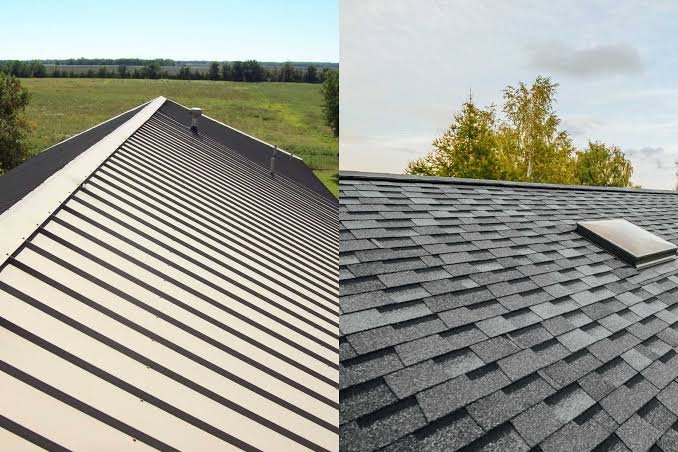
Not every issue requires replacement. Isolated leaks, minor cracks, or damage from a specific incident (fallen branch, one-time heavy storm) are often fixable without replacing the entire roof. Get an honest assessment from more than one contractor before committing to full replacement [link to related guide about metal roofing vs asphalt shingles here].
FAQ
Q: How long do roofs typically last before needing replacement? Most materials last 15-25 years, though this varies significantly based on material quality, climate exposure, and maintenance history.
Q: Is roof sagging always serious? Yes — any visible sagging should be assessed by a professional promptly, as it often indicates underlying structural damage.
Q: Can I repair a roof myself to avoid replacement costs? Minor surface patches are sometimes DIY-feasible, but structural assessment and major repairs should involve a qualified roofing professional.
Q: Does roof condition really affect electricity bills? Yes — a deteriorating roof loses insulating efficiency, which can noticeably increase indoor temperatures and cooling costs.
Q: How do I know if it’s repair or full replacement? If issues are isolated and the roof is under 15 years old, repair is usually sufficient. Widespread, repeated problems on an older roof typically point toward replacement.
Conclusion
Catching the early signs you need a roof replacement — persistent leaks, sagging, granule loss, repeated repairs in the same spot — saves significant money compared to waiting for a full emergency situation. Get a professional inspection if even one or two of these signs sound familiar, rather than waiting for the next monsoon to force the decision.
Suggested Alt Text:
- “Cracked roof tiles showing signs of wear and water damage”
- “Water stain on ceiling indicating roof leak”
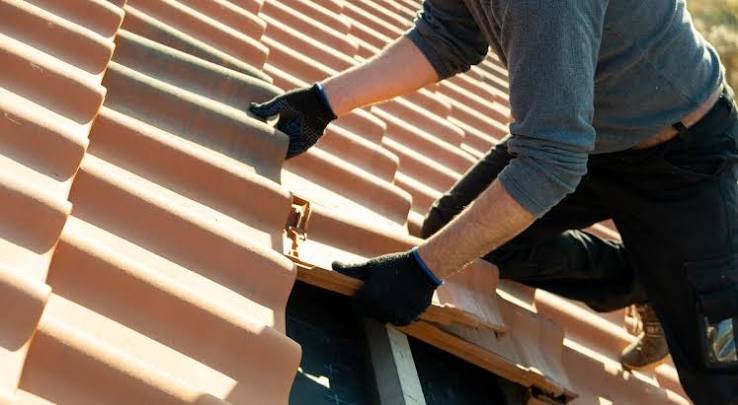
- “Contractor inspecting roof condition before replacement decision”