A lot of people think minimalist home design just means empty rooms and stark white walls. That’s a pretty narrow, honestly kind of boring, version of it. Real minimalism is about intentionality — every object in a space earning its place, rather than simply having as few things as possible.
I used to think minimalism meant sacrificing comfort. It doesn’t, once you actually get the approach right. Here’s how to do it properly.
Start With Decluttering, Not Buying
Direct answer: The foundation of minimalist home design is removing what doesn’t serve a purpose or bring genuine value, which means the process should start with decluttering existing belongings rather than purchasing new minimalist-style furniture or decor.
Go room by room and ask honestly whether each item is used regularly or genuinely loved. Everything else is a candidate for donation, storage, or removal.
Choose Quality Over Quantity
Minimalist spaces work best with fewer, better-made pieces rather than many budget items. A single well-crafted coffee table says more than three mismatched decorative pieces competing for attention. This often means spending more per item but significantly less overall, since fewer purchases are needed.
Keep a Neutral, Cohesive Color Palette
Direct answer: Minimalist home design typically relies on a restrained color palette — often 2-3 tones maximum — since visual consistency across a space is what creates the sense of calm associated with minimalism, rather than the absence of color entirely.
This doesn’t mean everything has to be white or beige. A minimalist space in soft sage or warm grey works just as well, as long as the palette stays limited and consistent throughout.
Hidden Storage Is Essential
The clean look of minimalist spaces relies heavily on effective storage that keeps everyday items out of sight without being inaccessible. Built-in cabinets, under-bed storage, and closed shelving units all support the aesthetic while keeping functionality intact [link to related guide about small space decorating ideas here].
Let Natural Light Do the Work
Minimalist rooms tend to rely more heavily on natural light and simple, unobtrusive window treatments rather than heavy curtains or elaborate window dressing. Sheer curtains or simple blinds maintain the clean look while still offering privacy when needed.
Choose Furniture With Purpose and Clean Lines
Direct answer: Furniture in minimalist home design typically favors clean, simple lines over ornate detailing, and each piece is generally chosen for genuine functional need rather than purely decorative purposes, reducing visual clutter throughout a space.
This doesn’t mean furniture has to be cold or uncomfortable — soft, simple upholstered pieces fit the minimalist approach just as well as sleek hard-surface furniture.
Add Warmth Through Texture, Not Clutter
A common mistake is assuming minimalist spaces have to feel sparse or cold. Layering different textures — a wool throw, a natural fiber rug, linen cushion covers — adds warmth and depth without adding visual clutter, since texture works differently from the busyness of many small decorative objects.
One In, One Out Rule
To maintain a minimalist space long-term, adopting a simple rule — for every new item brought in, one existing item leaves — prevents the slow creep of clutter that happens in most homes over time, regardless of initial intentions.
Minimalism in Small vs Large Homes
In smaller homes, minimalist design isn’t just aesthetic preference — it’s often functionally necessary, since fewer items mean more usable space. In larger homes, minimalism becomes more of an intentional choice, focused on creating calm rather than solving a space constraint.
FAQ
Q: Does minimalist home design mean having very few possessions? Not necessarily very few — it means keeping only what’s genuinely used or valued, and organizing it thoughtfully rather than hitting an arbitrary low number.
Q: Can a minimalist home still feel warm and cozy? Yes — through texture, warm color tones, and quality materials, minimalist spaces can feel just as inviting as more decorated ones.
Q: How do I start transitioning to minimalist home design? Begin with decluttering one room at a time, rather than attempting the whole home at once, which tends to feel overwhelming and often gets abandoned midway.
Q: Is minimalist design more expensive than other styles? Not inherently — while individual pieces might cost more due to quality focus, buying fewer items overall often balances out the total spend.
Q: Does minimalist design work well with kids in the home? It can, with good hidden storage systems, though it typically requires more consistent organizing habits than more relaxed, cluttered styles.
Conclusion
Minimalist home design isn’t about deprivation — it’s about intentional choices that create genuine calm in a space. Start small: declutter one room, focus on a limited color palette, and invest in fewer but better pieces going forward. The goal isn’t an empty house — it’s one where everything in it actually belongs there.
Suggested Alt Text:
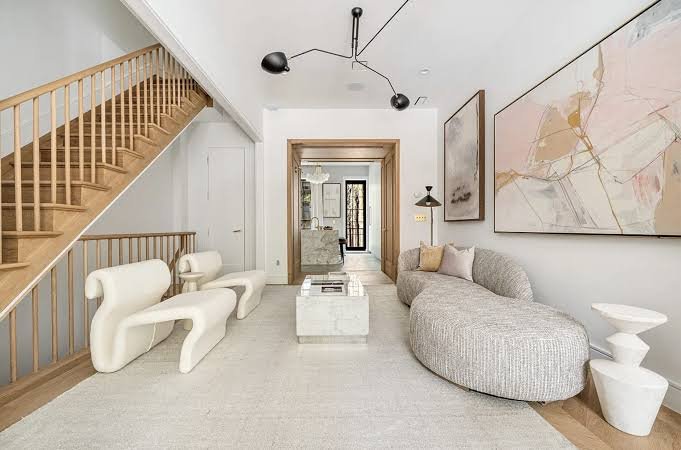
- “Minimalist living room with neutral palette and clean lines”
- “Hidden storage cabinets keeping minimalist bedroom clutter-free”
- “Textured throw and cushions adding warmth to minimalist sofa”