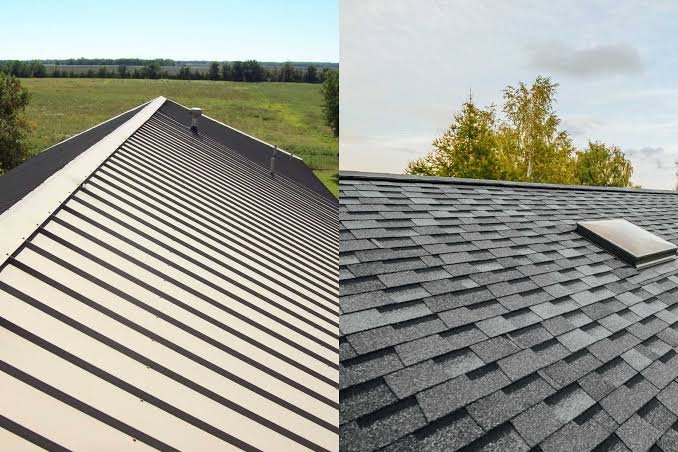
The metal roofing vs asphalt shingles debate comes up constantly during new construction or roof replacement decisions, and honestly, there’s no universal winner — it depends heavily on budget, climate, and how long you plan to stay in the home.
I’ve gone back and forth on this myself when helping plan a relative’s house construction. Let’s break down what actually matters instead of just listing generic pros and cons.
Upfront Cost Comparison
Direct answer: Asphalt shingles typically cost 40-60% less upfront than metal roofing, making them the more common choice for budget-conscious construction, while metal roofing’s higher initial cost is offset by a significantly longer lifespan.
- Asphalt shingles: ₹80-₹150 per sq ft installed
- Metal roofing: ₹150-₹350 per sq ft installed (varies significantly by metal type)
Lifespan Differences
This is where the comparison shifts. Asphalt shingles typically last 15-20 years, while metal roofing can last 40-70 years depending on the material and maintenance. Over a homeowner’s lifetime, metal roofing often works out more cost-effective despite the higher initial investment, assuming you stay in the home long enough to benefit.
Performance in Indian Climate Conditions
Direct answer: Metal roofing generally performs better in heavy monsoon regions due to superior water shedding and resistance to moss or algae growth, while asphalt shingles can be a reasonable choice in drier climates with less intense rainfall.
That said, poorly insulated metal roofs can make top floors noticeably hotter in peak summer unless proper insulation is installed underneath — this is a genuine trade-off worth planning for.
Noise During Rain
A common concern with metal roofing is rain noise. Modern installations with proper insulation and underlayment largely solve this, but budget installations without adequate insulation can be noticeably louder during heavy monsoon rain compared to asphalt shingles.
Maintenance Requirements
Asphalt shingles need more frequent maintenance — checking for missing or curling shingles, occasional replacement of damaged sections, moss removal. Metal roofing needs less frequent attention but benefits from periodic inspection of seams and fasteners, particularly after severe storms.
Fire Resistance
Direct answer: Metal roofing offers superior fire resistance compared to asphalt shingles, since metal is non-combustible, making it a stronger choice for homes in areas with wildfire risk or strict fire safety requirements.
Environmental Considerations
Metal roofing is more recyclable at end of life and often contains recycled content already. Asphalt shingles, while cheaper, typically end up in landfills after their shorter lifespan, generating more waste over the same time period compared to a single metal roof installation.
Resale Value Impact
Metal roofing is increasingly seen as a premium feature that can positively influence resale value, particularly given its longer remaining lifespan compared to an aging asphalt roof [link to related guide about increase home resale value here]. Buyers often factor in “how soon will I need to replace this roof” during property evaluation.
Which Should You Choose?
- Choose asphalt shingles if: budget is the primary constraint, you don’t plan to stay long-term, or your climate is relatively mild
- Choose metal roofing if: you’re building for the long term, live in a heavy monsoon or high-heat region, or want lower long-term maintenance despite higher upfront cost
FAQ
Q: Is metal roofing significantly more expensive than asphalt shingles? Yes, typically 2-3 times more upfront, though the cost gap narrows considerably when calculated over the roof’s full lifespan.
Q: Does metal roofing make homes hotter? Without proper insulation, yes. With adequate underlayment and insulation, metal roofing can actually perform comparably or better than asphalt in heat management.
Q: Which option is better for heavy monsoon regions? Metal roofing generally performs better in heavy rainfall areas due to superior water shedding and reduced moss/algae growth over time.
Q: How long does each roofing type typically last? Asphalt shingles last 15-20 years on average; metal roofing typically lasts 40-70 years with proper installation and maintenance.
Q: Is metal roofing noisy during rain? Only if installed without proper insulation and underlayment — a well-installed metal roof isn’t significantly louder than asphalt during rainfall.
Conclusion
The metal roofing vs asphalt shingles decision really comes down to how long you’re planning to stay and how much upfront budget you’re working with. For long-term homeowners in monsoon-heavy regions, metal roofing’s durability often justifies the higher cost. For shorter-term needs or tighter budgets, asphalt shingles remain a solid, proven choice. Get quotes for both before deciding — the actual price gap in your specific area might be smaller than expected.
Suggested Alt Text:
- “Metal roofing panels installed on residential home”
- “Asphalt shingle roof close-up showing texture and layout”
- “Comparison of metal roof and shingle roof on adjacent homes”