Water is one of those things we rarely think about until something goes wrong. A glass of drinking water might look perfectly clear, yet its taste can be unpleasant. White marks may appear on bathroom taps, soap might refuse to lather properly, or a water heater may start losing efficiency sooner than expected. These everyday problems can sometimes point to the quality of the water flowing through a home.
Taking care of household water isn’t just about improving taste or keeping fixtures clean. It can also help homeowners make informed decisions about filtration, appliance maintenance, and their overall plumbing system. With a little attention and the right professional guidance, it’s possible to create a healthier, more comfortable home environment without spending money on equipment that may not be necessary.
Why Water Quality Deserves More Attention
Water quality varies from one location to another. Some homes receive water with relatively high mineral content, while others may experience sediment, chlorine-related taste, or changes caused by aging pipes and local water conditions. Even properties in the same neighborhood can have different concerns, particularly when private wells are involved.
Hard water is a common example. It contains elevated levels of dissolved minerals, especially calcium and magnesium. Although these minerals are not generally considered a health concern at typical levels, they can leave deposits on showerheads, glass doors, faucets, and appliances. Over time, those deposits can become frustrating to clean.
Other concerns deserve a closer look. Unusual odors, sudden discoloration, or changes in taste may indicate a problem that requires investigation. These signs don’t automatically mean the water is unsafe, but ignoring them isn’t wise either. Understanding what’s actually present in the water is a better starting point than buying the first treatment product advertised online.
Start With a Clear Picture of Your Water
Before investing in a filtration system or making major changes, homeowners should consider water testing. Testing helps identify specific characteristics of the water, making it easier to determine whether treatment is necessary and which approach may be appropriate.
For municipal water supplies, local water quality reports can provide useful background information. However, a report describes the wider distribution system rather than every individual home’s plumbing. Water can pick up contaminants from household pipes, fixtures, or other sources after entering a property. A test performed at the home may therefore offer additional insight.
Private well owners should be especially attentive because well water isn’t typically monitored in the same way as public drinking water. Regular testing for bacteria, nitrates, and other locally relevant contaminants can help identify potential problems before they become serious. The appropriate testing schedule depends on the water source, location, and any changes in its appearance or taste.
It’s important to remember that no single test checks for everything. A basic hardness test, for instance, cannot establish whether water is free from harmful microorganisms or chemical contaminants. When safety is a concern, use a qualified laboratory and choose tests suited to the property’s water source.
How Water Softeners Can Make Everyday Life Easier
When testing confirms that hard water is causing persistent problems, water softeners may be worth considering. These systems are designed to reduce hardness minerals, usually through an ion-exchange process that replaces calcium and magnesium ions with sodium or potassium ions.
The difference can be noticeable around the house. Soap may lather more easily, mineral spots can become less troublesome, and some appliances may experience less scale buildup. Homeowners often appreciate the reduced effort required to clean shower screens, sinks, and faucets. Those small improvements can add up over time.
Still, a water softener isn’t a universal solution. It doesn’t automatically remove bacteria, pesticides, or every other contaminant that might affect drinking water. If the main concern is an unpleasant taste, a particular chemical, or a microbial hazard, a different treatment method may be more suitable.
System size matters, too. A household with several occupants and heavy water use may need a different capacity from a small apartment or a home with occasional visitors. Professional advice can help match the system to actual water consumption and hardness levels rather than relying on guesswork.
Maintenance should also be part of the decision. Many conventional softeners require salt replenishment, occasional cleaning, and periodic checks. Salt-based systems can increase sodium levels in treated water, which may matter for people following medically recommended sodium restrictions. A separate drinking-water tap or an alternative treatment arrangement may be appropriate in some situations.
Filtration Is About Choosing the Right Technology
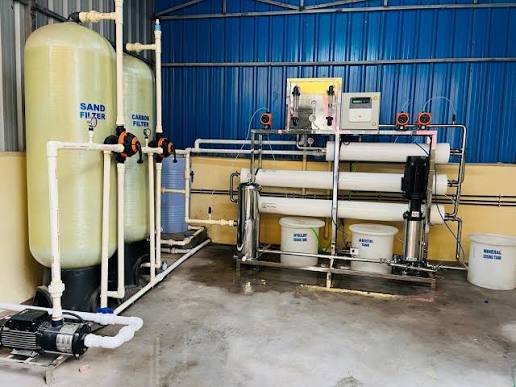
Water filtration covers several different technologies, and each has a particular purpose. Activated carbon filters can improve taste and odor by reducing certain substances, including chlorine. Reverse osmosis systems can reduce a range of dissolved contaminants, depending on their design and certification. Sediment filters capture particles such as sand, rust, and other suspended material.
The key is to match the technology to the problem. Installing an expensive multi-stage system without knowing what needs to be removed may create unnecessary costs and maintenance. On the other hand, selecting an undersized or unsuitable filter can leave the original concern unresolved.
Look for products tested and certified against relevant performance standards. Check which contaminants the system is designed to reduce, how often its filters need replacing, and whether replacement cartridges are readily available. A filter that performs well but is difficult to maintain may not be the most practical choice for a busy household.
Good treatment also depends on proper installation. Incorrect connections, neglected cartridges, or poorly maintained storage tanks can undermine performance. Water treatment equipment should be considered part of the home’s wider water system, not a device that can be installed and forgotten.
Why Professional Plumbing Support Matters
Water treatment equipment doesn’t operate in isolation. Pipe condition, water pressure, drainage, valves, and existing fixtures can all influence how well a system performs. This is where professional plumbing services can make a meaningful difference.
A qualified plumber can assess the installation area, identify existing leaks, check pressure concerns, and determine whether the home’s pipework can accommodate the proposed equipment. They can also help with connections, bypass valves, drainage requirements, and maintenance access. These details may seem minor during installation, but they matter when repairs or servicing are eventually needed.
Routine plumbing inspections can uncover problems that homeowners might overlook. A slow leak beneath a sink, for example, may waste water for weeks before becoming visible. Corroded connections, dripping taps, and inconsistent pressure can also indicate that a closer inspection is worthwhile.
Of course, not every water-quality concern requires a plumber alone. Contamination questions may call for laboratory testing, while complex treatment decisions may benefit from a water-treatment specialist. The most useful approach is to involve the right professional for the particular issue rather than expecting one service to solve everything.
Small Maintenance Habits That Make a Difference
Once a suitable system is installed, regular maintenance helps keep it working as intended. Follow the manufacturer’s recommendations for filter replacement, cleaning, sanitization, and servicing. Keep records of maintenance dates, especially if the equipment has several cartridges or treatment stages.
Pay attention to changes in water pressure, taste, smell, and appearance. These observations aren’t a substitute for testing, but they can help you recognize when something deserves investigation. If water suddenly becomes discolored or develops an unusual odor, contact the relevant water provider or a qualified professional instead of assuming the treatment system will resolve it.
It’s also worth checking local water advisories and keeping drinking-water containers clean. If testing identifies a specific health risk, follow the advice provided by public health authorities or qualified water professionals until the issue has been addressed.
Making a Practical Long-Term Plan
Better water doesn’t always require the biggest budget or the most complicated equipment. Sometimes the answer is a simple filter. In another home, it may involve softening hard water, repairing old pipework, or investigating a change in the private well supply.
Start by identifying the problem, confirm it with appropriate testing where necessary, and compare treatment options based on performance, maintenance, and long-term cost. Ask questions before purchasing equipment, and make sure any proposed system addresses the concern you actually have.
Water is part of everyday life, from the morning shower to the evening meal. Paying attention to its quality can make a home more comfortable and help prevent avoidable problems. With sensible testing, suitable treatment, and timely maintenance, homeowners can make confident decisions about their water without turning a simple household need into an unnecessarily complicated project.