
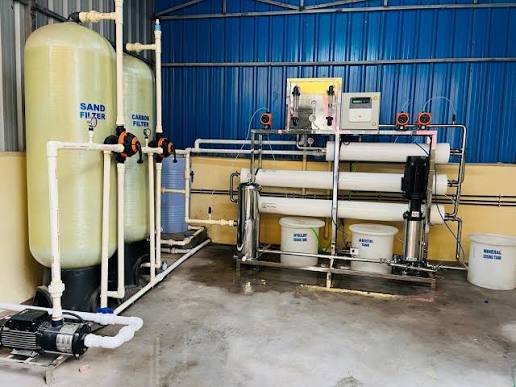
Water is one of those things we rarely think about until something goes wrong. Maybe the shower leaves your skin feeling dry, white spots keep appearing on your glassware, or your morning coffee tastes a little different than it should. Sometimes, the problem is obvious. Other times, water can contain unwanted minerals, sediment, or contaminants without any noticeable change in appearance.
The good news is that improving your home’s water quality doesn’t always require a complicated renovation. Understanding what is in your water, identifying the problems that matter most, and choosing the right treatment can make everyday life more comfortable. It can also help protect plumbing fixtures and water-using appliances over time.
Understanding What Comes Through Your Tap
Water quality varies depending on where you live and how your home receives its supply. Municipal water systems generally treat water to meet applicable drinking water standards, but its mineral content can still cause problems. Private wells present different considerations because their quality depends on local geology, nearby activities, and proper well maintenance.
Hard water is a common example. It contains elevated levels of dissolved calcium and magnesium. These minerals aren’t generally considered a health concern at typical levels, but they can create stubborn deposits on faucets, showerheads, dishes, and inside pipes.
Other households may experience iron staining, unpleasant odors, sediment, or concerns about specific contaminants. These issues require different approaches, which is why guessing based on taste or appearance isn’t always helpful.
A water test provides a more reliable starting point. Depending on your source and concerns, testing may evaluate hardness, pH, iron, nitrates, bacteria, or other substances. The results help determine which treatment methods are appropriate instead of paying for equipment you might not need.
Why Hard Water Can Become a Household Headache
Hard water tends to reveal itself through small, repetitive frustrations. Soap doesn’t lather as easily, bathroom surfaces develop cloudy marks, and freshly cleaned shower doors seem to collect spots almost immediately. Over time, mineral deposits can also accumulate inside water heaters and other plumbing equipment.
Installing water softeners can help address these problems by reducing calcium and magnesium through an ion-exchange process. In a typical system, resin beads capture hardness minerals and exchange them for sodium or potassium ions. The system periodically regenerates the resin so it can continue working.
For many households, the difference is noticeable in everyday routines. Soap may rinse away more easily, laundry can feel less stiff, and cleaning mineral deposits may become less of a chore. Water heaters and certain appliances may also benefit from reduced scale buildup, depending on the system and how it is maintained.
Still, a softener isn’t the answer to every water problem. It doesn’t automatically remove bacteria, pesticides, or all dissolved contaminants. It also changes the mineral composition of water, so homeowners should consider drinking water preferences and any relevant dietary or medical advice when choosing a system.
Cleaner Drinking Water Starts With the Right Filter
Drinking water deserves special attention because it is used every day for hydration, cooking, and preparing beverages. Even when water meets regulatory standards, some households prefer additional treatment to address taste, odor, or particular substances identified through testing.
Different filtration technologies serve different purposes. Activated carbon filters, for example, can improve taste and reduce certain chemicals, including chlorine, depending on the filter’s design and certification. Reverse osmosis systems use a semipermeable membrane to reduce many dissolved substances. Other technologies are designed for specific contaminants and should be selected accordingly.
Choosing drinking water systems involves more than comparing prices or counting filtration stages. Look at the contaminants the equipment is certified to reduce, its expected filter life, replacement costs, and daily water production capacity. A system that works well for a couple may not meet the needs of a larger family without additional capacity.
Installation matters, too. Under-sink units need enough cabinet space, and some require a dedicated faucet or a connection to a drain. Reverse osmosis systems may also produce wastewater as part of the filtration process. Understanding these practical details beforehand helps avoid surprises.
Most importantly, filtration should match a real need. A product advertised as removing hundreds of substances isn’t automatically the best choice for every home. The manufacturer’s performance documentation and independent certification are more useful than broad marketing promises.
Whole-Home Filtration for Everyday Comfort
Sometimes, the goal isn’t limited to drinking water. Homeowners may want to improve the water used for showering, bathing, laundry, and cleaning throughout the property. In these situations, treatment at the point where water enters the house may be worth considering.
A properly selected whole home filtration system treats water before it travels through the household plumbing. Depending on its design, it may reduce sediment, chlorine, certain odors, or other targeted substances. Different filter media are used for different purposes, and no single configuration removes every possible contaminant.
For example, a sediment filter can help capture particles that might otherwise enter plumbing fixtures. Activated carbon may reduce chlorine-related taste and odor concerns. Homes with more complex water conditions might need multiple treatment stages, particularly when laboratory results identify several distinct issues.
Flow rate is an important consideration. A system that cannot supply enough treated water during simultaneous showers, laundry, and kitchen use may cause an inconvenient drop in pressure. Filter capacity, replacement intervals, available installation space, and ongoing maintenance should all be part of the decision.
It’s also worth remembering that whole-house filtration and water softening are not interchangeable. One primarily targets selected contaminants or particles, while the other addresses hardness minerals. Some homes benefit from both, but the appropriate combination depends on the water test results.
Don’t Overlook Installation and Maintenance
Even a high-quality treatment system can disappoint if it isn’t installed correctly or maintained as recommended. Filters gradually collect particles or lose their ability to remove targeted substances. Softener resin requires appropriate regeneration, while some systems have additional components that need periodic inspection.
Follow the manufacturer’s replacement schedule, but pay attention to actual water usage and the capacity of the equipment as well. A household that uses more water than average may need replacement filters sooner. Waiting until water tastes unusual or pressure drops isn’t always a reliable maintenance strategy.
Professional installation can be particularly useful when a system involves plumbing modifications, drainage, electrical connections, or complex treatment stages. An experienced water treatment specialist can assess the home’s plumbing, explain the system’s limitations, and help establish a realistic maintenance plan.
Homeowners should also keep test results, installation records, and filter replacement dates in one place. It sounds simple, but these details make it easier to track performance and arrange timely service.
How to Choose a System Without Overspending
Start by identifying the main concern. Is it hard water, an unpleasant taste, visible sediment, or a documented contamination issue? Once the problem is clear, compare systems designed specifically to address it.
Request a water test when appropriate and ask what the results mean. Look for equipment with relevant third-party certifications, transparent operating costs, and replacement parts that are readily available. Consider the purchase price alongside installation, maintenance, electricity where applicable, and recurring filter or salt expenses.
It’s sensible to compare more than one option, too. A modest under-sink filter may be enough for drinking water, while a home with severe hardness may benefit more from a dedicated softener. A larger treatment system should solve a defined problem rather than simply add complexity.
Be cautious of pressure-based sales tactics or claims that your water is dangerous without supporting test results. Good advice should explain both the benefits and limitations of the proposed equipment.
A More Thoughtful Approach to Water Quality
Better water begins with understanding, not guesswork. A little investigation can reveal whether your household needs targeted filtration, hardness reduction, or a combination of treatments. From there, the right equipment can make daily routines easier while helping protect plumbing and appliances.
Every home has different needs, and the most expensive system isn’t necessarily the most effective one. Focus on reliable testing, appropriate technology, professional guidance when necessary, and regular maintenance.
Water is part of nearly everything we do at home, from the first glass in the morning to the final load of laundry at night. Making a thoughtful choice about its quality is a practical investment in comfort, confidence, and the long-term care of your home.

