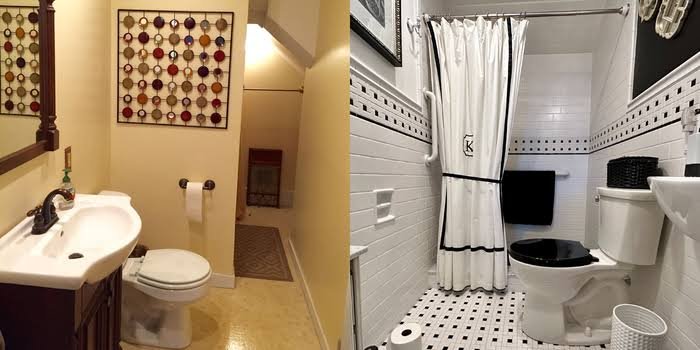
Everyone talks about bathroom renovation in terms of tiles and fittings. Nobody really talks about the bathroom renovation mistakes that quietly cost people the most money — poor planning, wrong sequencing, ignoring waterproofing. I’ve seen it happen more than once, and it’s almost always avoidable.
If you’re about to start a bathroom project, this is worth reading before you sign off on any contractor’s plan.
Mistake 1: Skipping Proper Waterproofing
Direct answer: The single most expensive bathroom renovation mistake is inadequate waterproofing, since leaks discovered after tiling means breaking tiles again — sometimes costing double the original waterproofing budget.
Waterproofing should extend at least 2 feet up the walls around wet areas, not just the floor. Cutting corners here to save ₹5,000-₹10,000 upfront can mean ₹40,000+ in repairs later when water starts seeping into the flat below.
Mistake 2: Ignoring the Existing Plumbing Layout
Moving the toilet or shower to a completely new spot sounds simple on paper. In reality, it means breaking floors, rerouting pipes, and often dealing with slope issues for drainage. Unless there’s a genuinely strong reason, keeping fixtures near their original plumbing points saves both money and renovation time.
Mistake 3: Choosing Trendy Tiles Over Practical Ones
Bold patterned tiles look great in photos. Six months later, grout lines show dirt fast, and some glossy finishes become dangerously slippery when wet. This is one of those bathroom renovation mistakes that doesn’t show up until after you’ve moved back in.
Direct answer: For bathroom floors specifically, matte or textured tiles with a slip resistance rating are safer and more practical than glossy patterned tiles, even though the glossy ones photograph better.
Mistake 4: Underestimating Ventilation Needs
A bathroom without proper exhaust ventilation develops mold, musty smells, and peeling paint within a year or two — no matter how expensive the tiles are. An exhaust fan costs ₹1,500-₹4,000 and is one of the cheapest insurance policies against future repair costs.
Mistake 5: Not Planning Storage Before Tiling
Once tiles are up, adding recessed shelving or niches becomes expensive and messy. Plan storage — mirror cabinets, wall niches, under-sink units — before the tiling stage, not after.
Mistake 6: Going Cheap on the Waste Trap and Drainage
Low-quality drain fittings and P-traps are a common source of bad odor and slow drainage later. This is one area where spending an extra ₹500-₹1,500 per fitting genuinely prevents recurring headaches [link to related guide about common plumbing problems here].
Mistake 7: Not Checking Water Pressure Before Choosing Fixtures
Rain showers and certain premium fixtures need a minimum water pressure to work properly. Installing one without checking your building’s pressure can mean an expensive fixture that barely trickles water. Always confirm this with your plumber before ordering.
Mistake 8: Underbudgeting for Labor and Timeline Overruns
Materials get most of the budget attention, but labor delays — waiting for tile setters, electricians, plumbers to sync schedules — is where projects often run over. Build in a buffer of at least 15-20% extra time and 10% extra budget.
Realistic Bathroom Renovation Costs by Scope
- Basic refresh (new fittings, repaint, minor tile repair): ₹40,000-₹80,000
- Mid-range (new tiles, fittings, vanity): ₹1.2 lakh-₹2.5 lakh
- Full renovation (layout changes, waterproofing, premium fittings): ₹3 lakh-₹6 lakh+
FAQ
Q: What’s the most common bathroom renovation mistake? Poor or skipped waterproofing — it’s invisible until it fails, and by then the fix is expensive.
Q: Should I change the bathroom layout during renovation? Only if there’s a genuine functional problem. Layout changes significantly raise both cost and renovation time.
Q: How long does a full bathroom renovation typically take? Usually 3-5 weeks for a full renovation including waterproofing curing time, which itself takes several days.
Q: Are glossy tiles a bad choice for bathrooms? For floors, yes — they’re more slippery when wet. Glossy tiles work better on walls where slip isn’t a concern.
Q: How much extra should I budget beyond the initial quote? A buffer of 10-15% above the contractor’s quote is a reasonable safety margin for most renovations.
Conclusion
Most bathroom renovation mistakes come down to rushing decisions or trusting that “it’ll probably be fine” on waterproofing, ventilation, or drainage. It usually isn’t. Take the extra week to plan properly, ask your contractor specific questions about waterproofing and drainage before work starts, and you’ll avoid the expensive surprises most people only learn about the hard way.
Suggested Alt Text:
- “Waterproofing membrane being applied to bathroom wall before tiling”
- “Matte finish non-slip bathroom floor tiles installation”
- “Bathroom exhaust fan installed near ceiling for ventilation”