Every year brings a fresh batch of predictions, and honestly, half of them don’t really hold up. These interior design trends 2026 picks are based on what’s actually showing up consistently in real homes and design projects, not just trend-report buzzwords that sound good but rarely translate to livable spaces.
I’ll be upfront — I’m skeptical of some of these myself, and I’ll say where I think a trend might not age well. Take the ones that genuinely fit your space and life, skip the rest.
Warm, Earthy Neutrals Continue Dominating
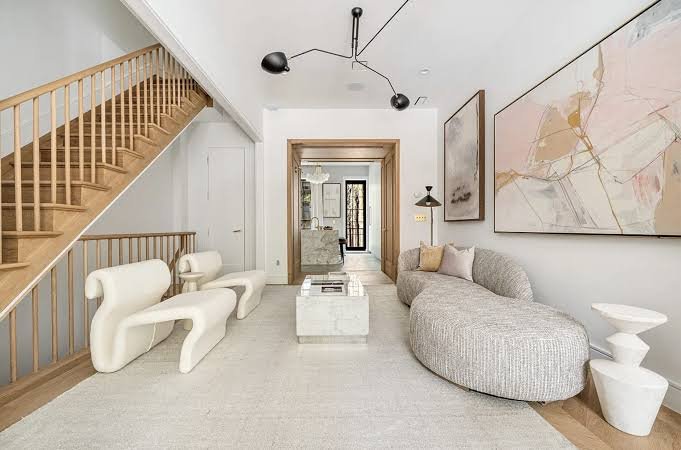
Direct answer: Among the clearest interior design trends 2026 is the continued move away from stark white and grey toward warm neutrals — terracotta, warm beige, muted ochre — reflecting a broader preference for cozier, more grounded spaces over the clinical minimalism of the past decade.
This shift makes sense to me. Stark white spaces photograph well but rarely feel genuinely comfortable to live in day to day.
Curved Furniture and Soft Edges
Sharp, angular furniture is giving way to curved sofas, rounded coffee tables, and organic shapes throughout. This trend genuinely softens a room’s feel and works particularly well in smaller spaces where hard angles can feel more confining.
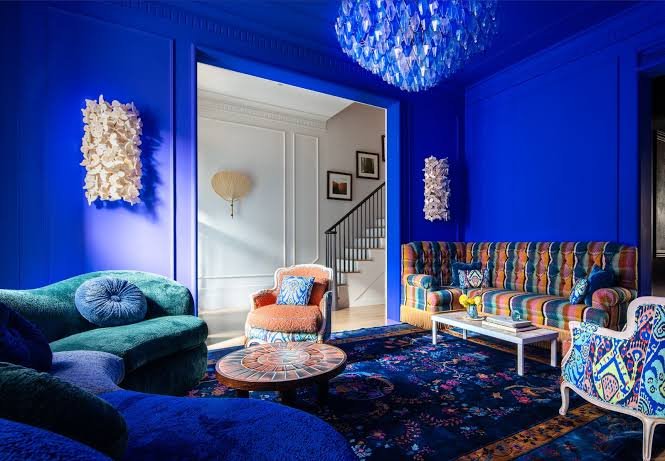
Statement Ceilings
Direct answer: One of the more distinctive interior design trends 2026 is bringing attention upward through statement ceilings — textured paint, exposed beams, or bold color — treating the ceiling as a fifth wall rather than a neutral afterthought.
This one won’t suit every home, and honestly, it’s a commitment — a bold ceiling is harder to change later than a wall. Worth trying in a single accent room first rather than throughout.
Multi-Functional and Flexible Spaces
With more people working from home at least part-time, furniture and layouts that adapt — a dining table that becomes a workspace, a guest room that doubles as a home office — are becoming standard rather than a compromise.
Textured Walls Beyond Paint
Lime wash finishes, microcement, and textured plaster are showing up more in place of flat paint, adding subtle depth without committing to a bold color. These finishes cost more than standard paint (roughly ₹80-₹200 per sq ft) but create a noticeably richer look.
Sustainable and Natural Materials
Direct answer: A consistent theme across 2026 interior design is a stronger preference for natural, sustainably sourced materials — rattan, reclaimed wood, natural fiber textiles — over synthetic alternatives, reflecting growing awareness around both aesthetics and environmental impact.
This isn’t just about looking eco-friendly; natural materials genuinely age better and develop character over time in a way synthetic materials often don’t.
Vintage and Antique Mixing
Rather than fully modern or fully vintage rooms, mixing eras — a modern sofa with a vintage side table, contemporary lighting against antique furniture — is a strong direction this year. It creates a collected, personal feel that pure trend-following often lacks [link to related guide about minimalist home design here].
Bold Kitchen Cabinet Colors
Kitchens moving away from all-white or all-wood cabinetry toward deeper, saturated colors — forest green, navy, deep terracotta — paired with lighter countertops for balance. A noticeable shift from the neutral kitchen dominance of recent years.
Biophilic Design Continuing to Grow
Bringing natural elements indoors — more plants, natural light optimization, materials that mimic nature — continues gaining traction, partly driven by genuine wellness research showing these elements measurably reduce stress in living spaces.
Trends I’m Less Convinced About
Not every predicted trend seems likely to stick. Extremely maximalist “more is more” decorating, while visually striking in photos, tends to feel exhausting to actually live with day to day. I’d approach this one cautiously unless it genuinely matches your personality, rather than adopting it purely because it’s trending.
FAQ
Q: Are warm neutrals really replacing all-white interiors? Largely yes — the broader shift is toward warmer, cozier tones, though white remains popular for smaller spaces needing brightness.
Q: Is it worth following interior design trends for a long-term home? Selectively — choose trends that align with your actual lifestyle and taste rather than adopting everything, since some trends age faster than others.
Q: What’s the most practical 2026 trend for smaller budgets? Mixing vintage and modern pieces — it requires more curation than spending, making it accessible regardless of budget size.
Q: Are statement ceilings hard to reverse if I change my mind? Somewhat — textured or boldly colored ceilings require more effort to repaint back to neutral than a standard wall would.
Q: Is biophilic design just about adding plants? No — it also includes maximizing natural light, using natural materials, and layouts that create a connection to the outdoors.
Conclusion
These interior design trends 2026 reflect a broader shift toward warmth, texture, and personal curation over sterile minimalism or matched showroom looks. Pick the ones that genuinely resonate with how you actually live — a warm neutral palette or better natural light matters more day-to-day than chasing every passing trend.
Suggested Alt Text:
- “Living room decorated in warm terracotta and neutral tones”
- “Curved sofa and organic shaped furniture in modern living room”
- “Kitchen with bold forest green cabinets and light countertop”