Sellers often assume any renovation helps increase home resale value. That’s not quite true. Some upgrades barely move the needle at resale, while a few surprisingly cheap fixes make a real difference in buyer perception and final offers.
I’ve watched this play out with a few properties in my own circle — the ones that sold fastest and closest to asking price weren’t the most expensively renovated, they were the ones that fixed the right things.
Focus on First Impressions First
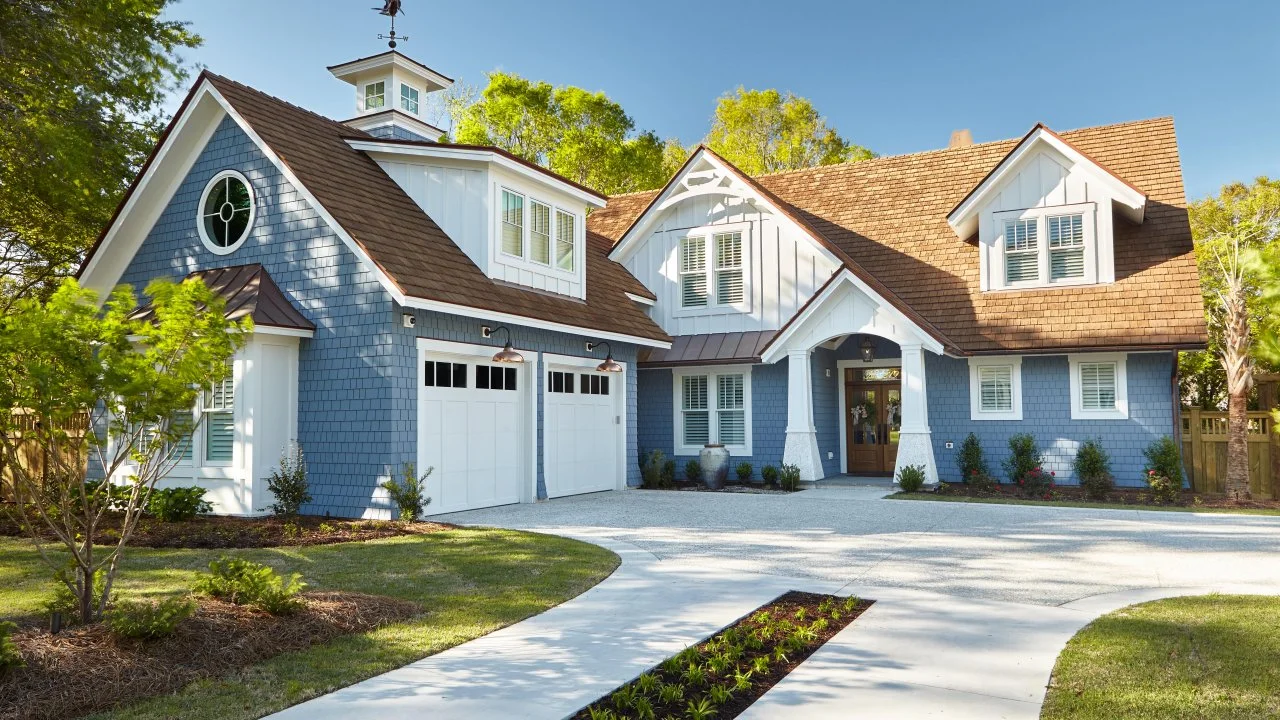
Direct answer: The single highest-return investment to increase home resale value is typically curb appeal and entrance area improvements — fresh paint, clean pathways, tidy landscaping — since buyers form strong impressions within the first 30 seconds of viewing a property.
A repainted exterior, cleaned pathway, and a couple of potted plants near the entrance cost relatively little but shape the buyer’s entire mental framing before they’ve even stepped inside.
Fix Visible Small Repairs
Buyers notice small issues disproportionately — a cracked tile, a leaking tap, a squeaky door. These are cheap to fix (often under ₹10,000 combined) but signal to buyers that the property has been well-maintained overall, which affects perceived value beyond just the specific repair itself.
Neutral Paint Sells Better Than Personal Style
Direct answer: Repainting walls in neutral, light tones before listing a property typically increases perceived space and appeals to a broader range of buyers, compared to bold or highly personalized color schemes that can actively turn buyers away.
Bold accent walls that you love might genuinely reduce buyer interest, simply because it’s harder for people to picture their own furniture and life in a space that feels strongly “someone else’s.”
Kitchen and Bathroom Updates Matter Most
Among renovations, kitchen and bathroom improvements consistently show the best return relative to cost when trying to increase home resale value. This doesn’t mean a full renovation — often, updating cabinet hardware, fixing grout, and replacing an outdated tap delivers most of the visual improvement at a fraction of full renovation cost [link to related guide about kitchen renovation cost here].
Declutter and Depersonalize
This costs nothing but time, and it matters more than people expect. Buyers need to imagine themselves living in the space — heavily personalized decor, family photos, and clutter make that harder. A clean, relatively neutral space photographs and shows better, both online and in person.
Address Lighting Throughout the Home
Dim or inconsistent lighting makes spaces feel smaller and older. Swapping outdated fixtures for brighter, warmer LED lighting is a low-cost change that noticeably improves how a property feels during viewings.
Get a Pre-Listing Inspection
Direct answer: A pre-listing inspection identifies issues before buyers’ inspectors do, giving sellers the chance to either fix problems proactively or price the property realistically, which generally leads to smoother negotiations and fewer surprises during the sale process.
What Not to Bother Fixing
Not every improvement pays back at resale. Highly personalized or niche upgrades — elaborate built-in furniture, unusual color schemes, overly specific room conversions — often don’t recover their cost, since buyers may not value them the way the seller does.
Staging Makes a Measurable Difference
Even minimal staging — rearranged furniture, fresh linens, a few well-placed plants — helps buyers visualize the space better than an empty or cluttered home. Professional staging costs ₹15,000-₹40,000 for a typical flat but often pays back through faster sales and stronger offers.
FAQ
Q: What’s the best low-cost way to increase home resale value? Curb appeal improvements and small visible repairs — cheap, fast, and disproportionately impactful on buyer perception.
Q: Should I do a full renovation before selling? Usually not necessary. Cosmetic, targeted upgrades (paint, hardware, lighting) generally offer better return than full renovations.
Q: Does repainting really affect resale value? Yes — neutral, fresh paint consistently ranks among the highest ROI pre-sale improvements relative to cost.
Q: Is home staging worth the cost? For most properties, yes — it typically leads to faster sales and can help justify the asking price during negotiations.
Q: How much should I budget for pre-sale improvements? For a typical flat, ₹50,000-₹1,50,000 covers most impactful cosmetic upgrades without overspending.
Conclusion
To genuinely increase home resale value, focus on what buyers actually notice and respond to — first impressions, small repairs, neutral finishes, and good lighting — rather than expensive, personalized renovations. Start with curb appeal and decluttering; they cost the least and often influence buyer perception the most.
Suggested Alt Text:
- “Freshly painted home exterior with tidy entrance landscaping”
- “Neutral-toned living room staged for home sale”
- “Updated kitchen cabinet hardware before property listing”