
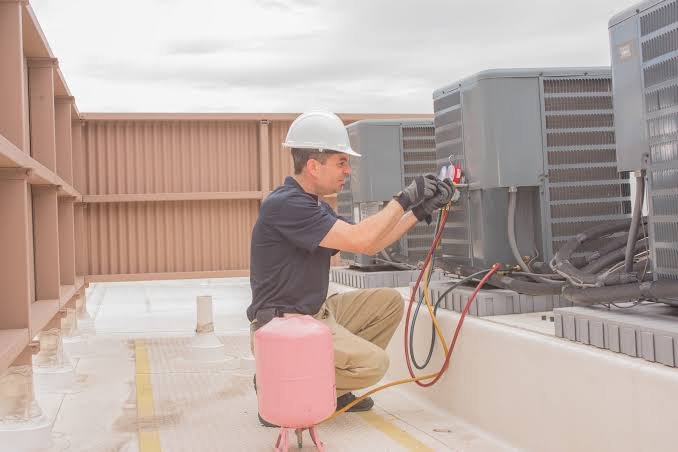
A lot of people just accept that their AC or HVAC system needs replacing every 5-6 years. Honestly, that’s not normal — it’s usually a sign of neglect, not a design flaw. Good HVAC maintenance tips, followed consistently, can push a system’s useful life well past 10-12 years.
I learned this the hard way with my own split AC, which started struggling after just three years. Turned out it hadn’t been serviced even once. Lesson learned, and hopefully this saves you the same mistake.
Clean or Replace Filters Regularly
Direct answer: The single most important HVAC maintenance tip is cleaning or replacing air filters every 2-4 weeks during heavy use, since clogged filters force the system to work harder, raising both electricity bills and wear on internal components.
Most people don’t realize filters even need cleaning until cooling weakens noticeably. By then, the compressor’s already been working overtime for weeks.
Schedule Professional Servicing Twice a Year
Once before summer, once before winter (or before monsoon in most Indian cities) is a reasonable rhythm. Professional servicing costs ₹500-₹1,200 per unit and catches problems — refrigerant leaks, worn parts — long before they become expensive repairs.
Keep Outdoor Units Clear
Outdoor condenser units need airflow to function efficiently. Dust, leaves, or objects piled near the unit reduce efficiency significantly. A simple monthly wipe-down and clearing debris around the unit is one of the easiest HVAC maintenance tips to actually stick to.
Check Refrigerant Levels
Direct answer: Low refrigerant is one of the most common reasons an AC runs constantly without cooling properly, and it always indicates a leak somewhere in the system that needs professional attention rather than just a refrigerant top-up.
If your technician just tops up refrigerant without checking for leaks, ask them to actually find the leak — otherwise you’ll be paying for the same top-up again in a few months.
Don’t Ignore Unusual Noises
Grinding, rattling, or unusually loud operation are early warning signs. Most people wait until the unit stops working entirely before calling anyone, which usually means a bigger repair bill than if they’d called at the first strange sound.
Set Reasonable Temperatures
Running an AC at 18°C constantly puts far more strain on the compressor than running it at 24-25°C. Beyond the electricity savings, moderate settings genuinely extend equipment life. This is one of those free HVAC maintenance tips that costs nothing and just requires a habit change.
Clean Vents and Ducts (For Central Systems)
Homes or offices with ducted HVAC systems should get ducts cleaned every 2-3 years. Dust buildup inside ducts reduces airflow efficiency and can affect indoor air quality, particularly for anyone with allergies.
Insulate Exposed Piping
For split ACs, the copper piping connecting indoor and outdoor units should be properly insulated. Gaps or worn insulation cause efficiency loss and, over time, can lead to condensation damage on nearby walls.
Signs Your HVAC System Needs Attention Now
- Cooling takes noticeably longer than it used to
- Water leaking from the indoor unit
- Unusual smells when the system starts
- Electricity bills climbing without any change in usage habits
- Uneven cooling across different rooms
FAQ
Q: How often should I service my AC? Twice a year is a solid baseline — before peak summer and again before monsoon or winter.
Q: Does cleaning the filter really make a noticeable difference? Yes — a clogged filter can reduce cooling efficiency by 15-20% and increase electricity consumption noticeably.
Q: How long should a well-maintained AC last? With consistent maintenance, 10-15 years is realistic for most residential split AC units.
Q: Is it normal for outdoor units to make some noise? A low hum is normal. Grinding, rattling, or loud clunking noises are not and should be checked promptly.
Q: Can I do HVAC maintenance myself? Filter cleaning and keeping the outdoor unit clear, yes. Refrigerant checks and internal servicing need a qualified technician.
Conclusion
Consistent HVAC maintenance isn’t complicated — clean filters, clear outdoor units, reasonable temperature settings, and biannual professional servicing cover most of it. It’s a small routine that saves real money over the years, both on electricity and on avoiding early replacement. If your system hasn’t been serviced this year, that’s probably the first thing to schedule.
Suggested Alt Text:
- “Technician cleaning air conditioner filter during HVAC maintenance”
- “Outdoor AC condenser unit being cleared of dust and debris”
- “Homeowner checking split AC unit for unusual noise or leaks”