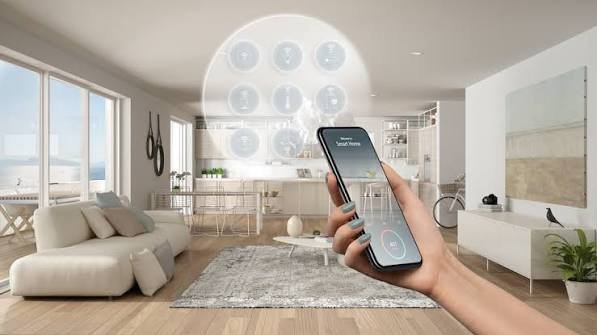
A few years back, smart home upgrades felt like something only gadget-obsessed people bothered with. That’s changed a lot. Prices have dropped, apps have gotten simpler, and honestly, once you get used to controlling your lights from bed, going back feels a bit silly.
This isn’t a “buy everything” list though. Some smart devices are genuinely useful. Others are expensive toys that end up unused after a month. Let’s separate the two.
1. Smart Plugs — The Cheapest Entry Point
If you’ve never tried smart home upgrades before, start here. A smart plug costs ₹800-₹1,500 and turns any regular appliance — a fan, a lamp, a water heater — into something you can schedule or control remotely.
Direct answer: Smart plugs are the easiest and cheapest way to begin automating a home, since they require no wiring changes and work with appliances you already own.
2. Smart Bulbs for Mood and Efficiency
Smart bulbs let you dim lights, change color temperature, and set schedules. A decent one costs ₹500-₹1,200. I was skeptical at first — felt unnecessary — but using warm dim lighting in the evening and bright white in the morning genuinely changed how I felt in my own living room. Small thing, real effect.
3. Video Doorbells
For homes in cities where package theft or unknown visitors are a concern, a video doorbell is one of the more practical smart home upgrades you can make. Prices range from ₹4,000 for basic models to ₹15,000+ for ones with better night vision and cloud storage [link to related guide about home security tips here].
4. Smart Locks
These let you unlock doors with your phone, a code, or a fingerprint instead of juggling keys. Good for families with kids who forget keys constantly, or for giving temporary access to house help without cutting new keys. Budget ₹8,000-₹20,000 for a reliable one.
5. Robot Vacuum Cleaners
Not exactly cheap — anywhere from ₹15,000 to ₹50,000+ — but if floor cleaning is a daily headache, this is one smart home upgrade that pays off in saved time rather than money. Works best on hard floors and low-pile carpets; less impressive on homes with a lot of clutter or cables on the ground.
Direct answer: Robot vacuums work best in open, low-clutter homes with hard flooring, and they’re less effective in spaces with lots of furniture legs, cables, or thick carpets.
6. Smart Thermostats and AC Controllers
For homes with central air or multiple split ACs, a smart controller lets you schedule cooling, track usage, and control units remotely. This can genuinely reduce electricity bills if used properly — some users report 10-15% savings just from better scheduling.
7. Smart Smoke and Gas Detectors
Not the most exciting item on this list, but arguably the most important. These alert your phone the moment they detect smoke or gas leaks, even if you’re not home. Costs around ₹2,000-₹5,000 per unit.
8. Voice Assistants and Hubs
A central hub (Alexa, Google Home, or similar) ties everything above together so you’re not juggling five different apps. Costs ₹2,500-₹6,000 and honestly makes the whole smart home setup feel less fragmented.
9. Smart Curtains and Blinds Motors
More of a luxury addition, but retrofitting existing curtains with a motor unit (₹6,000-₹12,000 per window) lets you automate them by schedule or sunlight — nice, not essential.
10. Water Leak Sensors
Small, cheap (₹1,000-₹2,000), and placed near washing machines, water heaters, or under sinks — these send an alert the second they detect moisture. Could save you from a much bigger repair bill down the line.
FAQ
Q: What’s the best smart home upgrade to start with? Smart plugs or smart bulbs — cheap, easy to install, no wiring needed.
Q: Do smart home devices work during power cuts? Most won’t function without power or Wi-Fi, though some smart locks have battery backup and manual key overrides.
Q: Are smart home upgrades worth it for renters? Yes, mostly — plugs, bulbs, and some locks are removable and don’t require permanent changes.
Q: How much does a full smart home setup cost in 2026? A modest setup covering lighting, plugs, and a doorbell typically runs ₹15,000-₹40,000. Full-home automation can go well beyond that.
Q: Is Wi-Fi speed a concern for smart devices? Individually, no — most devices use very little bandwidth. But a home with 15+ connected devices benefits from a stronger router.
Conclusion
You don’t need to automate your entire house overnight. Start with one or two smart home upgrades, see how you actually use them, and build from there. Some, like smart plugs and bulbs, are almost impossible to regret. Others depend entirely on your lifestyle. Try one this month and see if it sticks.
Suggested Alt Text:
- “Smartphone app controlling smart home lighting from bedroom”
- “Video doorbell installed on front door of Indian home”
- “Water leak sensor placed under kitchen sink”