
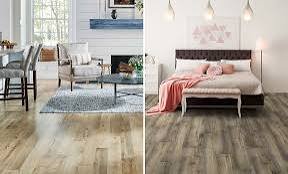
People mix these up all the time, and it’s understandable — both mimic hardwood at a fraction of the cost. But the vinyl plank flooring vs laminate decision actually matters quite a bit depending on your specific home conditions, especially around moisture exposure.
Let’s clear up the confusion properly, because picking wrong here means redoing flooring sooner than you’d like.
What’s the Core Difference?
Direct answer: The fundamental difference in the vinyl plank flooring vs laminate comparison is material composition — vinyl is fully synthetic and waterproof, while laminate has a wood-fiber core that’s water-resistant at best, making vinyl the better choice for moisture-prone areas.
Laminate’s core is essentially compressed wood fiber with a printed image layer on top, protected by a wear layer. Vinyl plank is entirely plastic-based (PVC), which is why it handles water so much better.
Water Resistance: Vinyl Wins Clearly
For bathrooms, kitchens, or homes in humid climates, vinyl plank flooring is almost always the safer choice. Laminate can swell, warp, or bubble when exposed to standing water for extended periods — even “water-resistant” laminate has limits that vinyl simply doesn’t share.
Cost Comparison
| Type | Cost per sq ft (material + installation) |
| Vinyl plank | ₹80-₹250 |
| Laminate | ₹60-₹200 |
Laminate is often slightly cheaper at the entry level, but premium vinyl plank and premium laminate end up in a similar price range — the gap narrows significantly as quality increases.
Feel Underfoot and Comfort
Direct answer: Laminate generally feels slightly harder and cooler underfoot compared to vinyl plank, which has a bit more give and warmth due to its softer synthetic composition — a small but noticeable difference for homes without underfloor heating.
Some people genuinely prefer laminate’s firmer feel; it depends on personal preference more than either being objectively better here.
Durability and Scratch Resistance
Both hold up reasonably well against everyday wear, though thicker wear layers (available in both types at higher price points) perform noticeably better than budget versions. Vinyl generally has a slight edge in scratch resistance, particularly in options designed for pet-heavy households.
Installation Differences
Direct answer: Vinyl plank flooring is generally easier and faster to install, particularly click-lock varieties that don’t require adhesive, while laminate installation, though also fairly straightforward, is slightly more sensitive to subfloor moisture and leveling issues.
Both are commonly installed as floating floors, meaning they’re not physically attached to the subfloor — this makes both reasonably DIY-friendly compared to tile or hardwood.
Which Handles Sunlight Better?
Extended direct sunlight can fade both materials over time, but vinyl tends to fade slightly less than laminate in most comparisons. For rooms with large windows and heavy sun exposure, this is worth factoring in, along with using curtains or UV-protective window film if fading is a major concern.
Repair and Replacement
Vinyl plank flooring generally allows easier spot repairs — individual damaged planks can sometimes be replaced without disturbing the rest of the floor, particularly with click-lock systems. Laminate repairs are possible but slightly trickier due to how the interlocking mechanism handles wear over time [link to related guide about best flooring for pets here].
Which Should You Actually Choose?
- Choose vinyl plank if: moisture resistance matters (kitchen, bathroom, homes with pets), or you want easier long-term spot repairs
- Choose laminate if: you prefer a firmer underfoot feel, budget is the top priority at entry-level pricing, and moisture isn’t a major concern in the space
FAQ
Q: Which is more waterproof, vinyl plank or laminate? Vinyl plank is significantly more water-resistant — most types are genuinely waterproof, while laminate is only water-resistant at best.
Q: Is laminate cheaper than vinyl plank flooring? At entry-level pricing, often slightly, yes. At premium quality tiers, the price difference narrows considerably.
Q: Which flooring type lasts longer? Both can last 15-25 years with proper care, though vinyl generally handles moisture-related wear better over that lifespan.
Q: Can I install either type over existing tile flooring? Yes, both are commonly installed over existing hard flooring as floating floors, provided the surface is level and clean.
Q: Which is better for a kitchen — vinyl plank or laminate? Vinyl plank is the stronger choice for kitchens specifically because of its superior water resistance around sinks and spill-prone areas.
Conclusion
The vinyl plank flooring vs laminate decision really comes down to how much moisture your space deals with regularly. For kitchens, bathrooms, or pet-heavy homes, vinyl plank is the safer long-term bet. For drier living spaces where budget and underfoot feel matter more, laminate remains a genuinely solid choice. Match the flooring to the room’s actual conditions rather than picking based on looks alone.
Suggested Alt Text:
- “Close-up comparison of vinyl plank and laminate flooring samples”
- “Vinyl plank flooring installed in modern kitchen”
- “Laminate flooring installation in living room space”